Education 7 min read
Cannabis Lot Numbers in Canada: Package Dates, Recalls, and Freshness
Learn why cannabis lot numbers and packaging dates matter in Canada, how they connect to recalls, freshness, and product questions.

A cannabis lot number looks like a small administrative detail until something goes wrong. If a product tastes off, the seal looks strange, a recall notice appears, or you want to ask a producer a precise question, the lot number and packaging date become the details that connect your package to the right answer.
This guide explains how adults in Canada can use lot numbers, packaging dates, product names, and package sizes without turning label reading into detective work. It builds on our cannabis label guide and our cannabis recalls guide.
Quick answer
A cannabis lot number identifies a batch or lot for traceability. The packaging date tells you when the product was packaged, not necessarily when it was grown, extracted, baked, or shipped. Together with product name, brand, package size, and seller, these details help you compare your package against recall notices and ask clearer freshness or quality questions.
Where to find the details
Health Canada’s consumer label guidance says cannabis labels include a lot number and packaging date. They may appear on the main label, side panel, bottom, peel-back label, or small printed area. On small packages, the print can be easy to miss, so check before throwing the package away.
| Detail | Where it may appear | What it helps with |
|---|---|---|
| Lot number | Label panel, peel-back label, bottom, or sticker | Recall matching and producer questions |
| Packaging date | Near lot number or product details | Freshness context and age comparison |
| Product name | Front label and product information panel | Avoiding confusion between similar products |
| Package size | Weight, volume, units, or net quantity | Recall notices may specify exact sizes |
| THC/CBD details | Cannabinoid section | Comparing the package to expected product information |
| Producer or licence holder | Label or contact section | Knowing who to contact with a precise question |
Packaging date is not the whole freshness story
The packaging date is useful, but it does not tell the whole story. Dried flower freshness also depends on storage, package seal, humidity, handling, and product type. An edible or beverage raises different questions from a vape extract or topical. Use the date as context, then inspect the product according to its format.
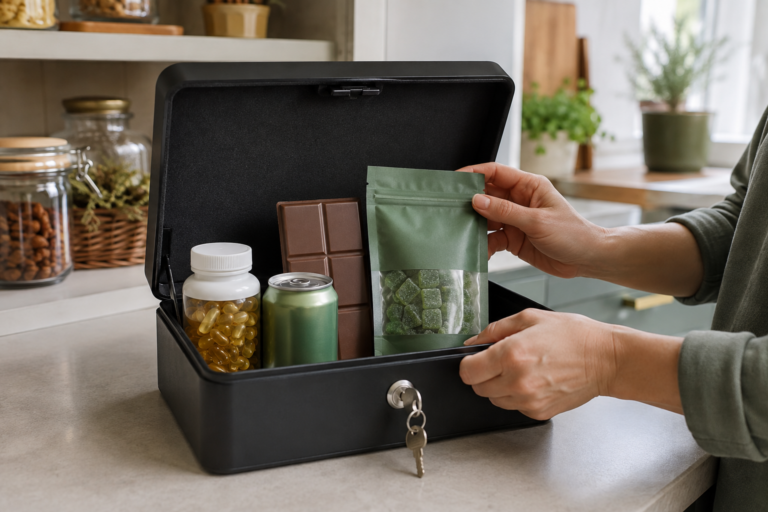
For storage basics, read our cannabis home safe-storage checklist. Keeping the package sealed, cool, dry, and away from light often matters more than chasing a single date number.
How lot numbers connect to recalls
Recall notices are specific. They may list brand, product name, lot number, package size, packaging date, sales period, province, or sales channel. If you no longer have the package, matching your product to an official notice becomes harder. That is why the simple habit of keeping a package until the product is finished has real value.
Health Canada’s voluntary recall guide describes recall communication details such as affected product descriptions, lot numbers, serial numbers, reasons for recall, and associated risks. For consumers, the practical version is this: do not rely on memory when exact label details are available.
A practical recall-matching sequence
- Start with the official recall notice, not a social post summary.
- Match brand and product name exactly.
- Match package size, unit count, or volume.
- Compare lot number and packaging date.
- Check province, retailer, and sales period if listed.
- Stop using the product if the official notice says to do so.
- Keep screenshots or photos if you need to contact the retailer or producer.
When to photograph the label
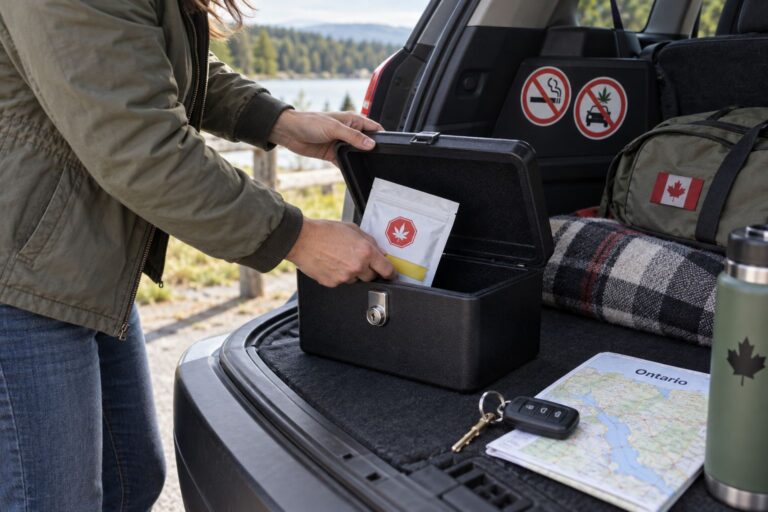
You do not need to build a filing system for every purchase, but label photos are useful for products you buy often, products with higher potency, products you plan to travel with inside legal limits, or products that looked or smelled unusual. A quick photo of the front, lot number, package date, and cannabinoid panel can save time later.
What not to infer from a lot number
A lot number does not prove quality by itself. It does not tell you whether a product will feel good, whether it is fresh enough for your preference, or whether it is right for a health situation. It is a traceability detail, not a quality grade. Pair it with legal-source checks, label reading, storage habits, and official recall information.
If a seller uses a lot number or lab-looking code as proof that a product is safe while avoiding authorized-source questions, slow down. Use our legal buying checklist before trusting technical-looking details.
How lot numbers help with producer questions
A clear question gets a better answer. Instead of asking whether a product is “old” or “bad,” use the label details: product name, package size, lot number, packaging date, place of purchase, and what you noticed. That lets the retailer or producer check the right record. Without those details, support staff may only be able to give generic storage advice.
This is also helpful when two products have similar names. A brand may sell multiple sizes, strains, formats, or potencies under related naming. The lot number and package size reduce confusion and keep the conversation tied to the item you actually bought.
Freshness checks by product type
Freshness does not mean the same thing across all cannabis formats. Dried flower may raise questions about aroma, texture, moisture, and package seal. Pre-rolls may raise questions about dryness or uneven burn. Edibles may raise questions about melting, texture, allergens, or best-before information when present. Vapes and extracts may raise questions about leaks, colour, crystallization, or device function. Topicals may raise questions about separation, smell, or consistency.
The lot number does not answer those questions alone, but it makes them traceable. If several people report a problem from the same lot, the detail matters. If only one package was stored poorly after purchase, the lot number still helps separate a product issue from a handling issue.
Build a simple package habit
The habit can be lightweight: keep the package until the product is finished, take a photo before discarding it, and never separate cannabis from its label if other people are in the household. This protects more than recall matching. It keeps THC/CBD details, warnings, storage instructions, and contact information available when you need them.
For products you use repeatedly, a small album of label photos can help you remember what worked, what felt too strong, and what you would avoid next time. Keep the notes practical and avoid turning one good or bad experience into a universal rule. Cannabis effects vary, and labels are decision aids rather than promises.
Reader checklist before you use the product
Before using any new cannabis product, pause long enough to answer five practical questions. Did you buy it from a legal source? Can you read the THC and CBD amount without guessing? Do you know how long the product may take to affect you? Is the rest of your day compatible with impairment? Can the package be stored where no child, pet, visitor, or roommate will confuse it for something else? If any answer is unclear, the safer move is to slow down.
Also check whether the advice you are following comes from the product label, an official public-health or regulator source, or a seller trying to close a sale. Those are not equal. The label and official sources should anchor the decision; marketing copy can help describe a product, but it should not override dose, age, legal-source, impairment, or storage cautions.
This checklist is intentionally plain. Most cannabis problems do not start because someone failed to understand advanced chemistry. They start because a product looked familiar, the label was skimmed, the dose was repeated too soon, or the package was left somewhere careless. Legal cannabis still requires adult judgment after purchase.
- Choose a calm setting for first use, especially with a new format or potency.
- Avoid mixing with alcohol or other substances when judging a product.
- Keep the original package and receipt until the product is finished.
- Write down the amount used if you are comparing products over time.
- Stop and seek qualified help if effects feel severe, unusual, or unsafe.
The goal is not to make cannabis feel complicated. The goal is to make the next step obvious. A reader-worthy product choice should survive basic questions about source, label, dose, timing, storage, and what to do if something seems wrong.
Bottom line
Lot numbers and packaging dates are boring in the best way. They help you trace a cannabis product when freshness, quality, recall, or customer-service questions come up. Keep the package, read the exact details, and use official sources when matching a notice.
FAQ
Is the packaging date the harvest date?
Not necessarily. The packaging date tells you when the product was packaged. It may not show harvest, extraction, production, or shipping dates.
Can a recall affect only one lot?
Yes. Recall notices can apply to specific products, lots, package sizes, provinces, or sales periods. Exact matching matters.
Should I throw away the package after opening?
It is better to keep it until the product is finished. The package carries lot number, packaging date, cannabinoid details, warnings, and contact information.
Sources
- Health Canada: How to read and understand a cannabis product label
- Health Canada: Cannabis voluntary recall guide
- Government of Canada: Recalls and safety alerts
- Health Canada: Reduce your risk by choosing legal cannabis
Explore the beginner’s guide, or learn how we source and edit our stories.