Education 8 min read
Cannabis Oil vs Tincture in Canada: Labels and Dosing
A practical Canada-aware guide to cannabis oil vs tincture-style extracts, including THC/CBD label math, measured mL dosing, timing, storage, and buyer checks.
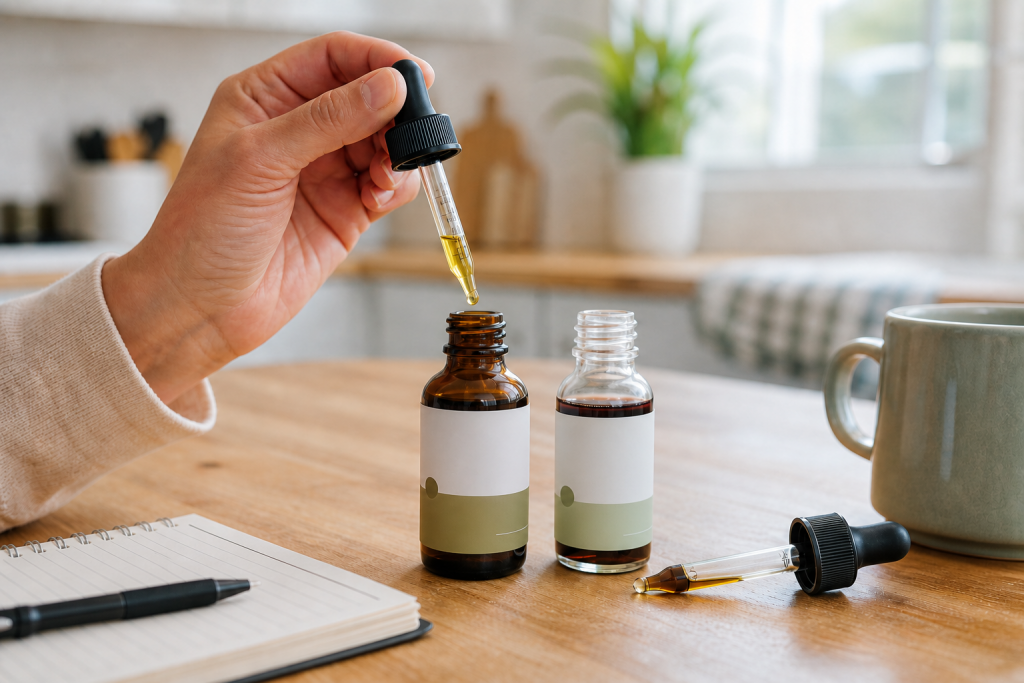
Cannabis oil and tincture-style products can look almost identical in Canada: small bottles, droppers, amber glass, and labels full of THC, CBD, and volume numbers. The confusing part is that the words people use in everyday conversation do not always match the way legal cannabis products are packaged, labelled, or absorbed.
For adults trying to choose carefully, the practical question is not whether one bottle sounds more natural or stronger. It is how the product is meant to be used, how much THC or CBD is in each measured amount, how long effects may take, and whether the label gives enough information to avoid guesswork.
This guide explains cannabis oil vs tincture-style extracts in plain Canadian terms. It is educational information, not medical advice, and it does not replace the label, a healthcare professional, or provincial rules.
Quick answer
In Canada, many products casually called cannabis tinctures are legally sold and labelled as cannabis extracts, often in oil form with a dropper. A true alcohol-based tincture is less common in the regulated recreational market than oil-based oral extracts. The label, not the nickname, should guide your decision.
The biggest difference for readers is usually use pattern. Some oil-based extracts are swallowed like an edible, which means onset can be delayed and effects can last longer. Some products may be held under the tongue or in the mouth before swallowing, but real-world absorption still varies. Either way, measured millilitres and milligrams matter more than drops, bottle size, strain name, or marketing language.
Oil vs tincture-style extracts at a glance
| Question | Cannabis oil | Tincture-style extract | What to check |
|---|---|---|---|
| Typical base | Usually a carrier oil such as MCT or another food-grade oil | May still be oil-based in legal Canadian retail; alcohol tinctures are not the default | Ingredients list and product class |
| Common use | Measured by mL and swallowed, sometimes mixed with food | Measured by dropper; may be used in the mouth before swallowing depending on directions | Directions for use on the package |
| Timing | Often delayed like other oral cannabis products | Can vary; many users should still plan for delayed oral effects | Health Canada timing guidance and the product directions |
| Label math | THC/CBD often shown per mL and total package | Same issue: the dose is a measured amount, not the whole bottle | mg THC per mL, mg CBD per mL, total volume |
| Main risk | Taking more before the first amount has fully built | Assuming “drops” are a precise dose without checking the dropper volume | Start with the labelled measurement, then wait |
Start with the legal label, not the nickname
Health Canada requires legal cannabis products to carry standardized information, including THC and CBD details, warning elements, product identity, lot information, and other packaging details. That label is more reliable than a casual phrase like oil, tincture, drops, or liquid.
When you pick up a bottle, look for three numbers before anything else: total volume, THC or CBD per activation or per mL, and total THC or CBD in the package. A 30 mL bottle is not one dose. A full dropper is not automatically one dose either. The dose is whatever amount the label and dropper measurement describe.
If cannabis labels are still new to you, it helps to review our Canadian cannabis label guide before comparing liquid extracts. The same habit applies here: read the active cannabinoid amounts, not only the product name.
If you are comparing oils with other mouth-used formats, our guide to sublingual strips, lozenges, sprays, and oils explains why label math and timing still matter even when a product is held in the mouth first.
Why millilitres beat drop counting
Drop counting feels simple, but it is a weak measurement system. Drop size can change with oil thickness, bottle angle, dropper design, temperature, and how hard someone squeezes the bulb. A labelled millilitre mark is not perfect, but it is a much better starting point than guessing how many drops equal a serving.
Here is the basic label math. If a bottle says it contains 10 mg THC per mL, then 0.25 mL contains about 2.5 mg THC, 0.5 mL contains about 5 mg THC, and 1 mL contains about 10 mg THC. If another bottle says 25 mg CBD per mL and 1 mg THC per mL, those are separate numbers to track.
Do not assume CBD cancels THC, and do not treat a balanced product as risk-free. The safer habit is to write down the product, the labelled mg per mL, the amount used, the time used, food/alcohol context, and how it felt later. That record prevents accidental jumps the next time.
Label math example
| Label says | Measured amount | Approximate THC | Reader note |
|---|---|---|---|
| 2.5 mg THC per mL | 0.5 mL | 1.25 mg THC | A low measured amount for cautious comparison |
| 5 mg THC per mL | 0.5 mL | 2.5 mg THC | Same volume, more THC than the first product |
| 10 mg THC per mL | 0.25 mL | 2.5 mg THC | Less liquid can equal the same THC amount |
| 20 mg THC per mL | 0.5 mL | 10 mg THC | A larger jump than the dropper size may suggest |
The lesson is simple: compare milligrams, not bottle size. Two products can look nearly identical and deliver very different THC amounts in the same volume.
Onset and duration: plan like it is an oral product
Health Canada explains that cannabis effects vary by method of use, THC amount, individual factors, and whether the product is inhaled or ingested. Swallowed products can take longer to start than inhaled cannabis, and effects may last longer. That matters for oils because many are swallowed or partly swallowed even when they are placed in the mouth first.
If the product directions say to ingest the oil, treat it like an edible-style timing problem. Do not take more just because nothing obvious has happened after 20 or 30 minutes. Some oral cannabis effects can build slowly, especially after a meal or when the THC amount is higher than expected.
For a deeper timing guide, see our article on how long edibles take to kick in and yesterday’s guide to how long a cannabis high may last. Oils are not identical to gummies or drinks, but the patience rule is similar: wait long enough before deciding whether the first amount worked.
What to check before buying
Use this quick checklist before choosing a cannabis oil or tincture-style product in Canada:
- Legal source: Buy only through a legal provincial, territorial, or medical channel that applies to you.
- Product class: Check whether the label identifies it as an extract, edible, or another product class.
- THC per mL: This is the number most likely to prevent accidental overuse.
- CBD per mL: Track it separately instead of assuming a ratio tells the whole story.
- Total volume: Use this to understand the bottle, not to define a serving.
- Ingredients: Look for carrier oils, allergens, flavours, or ingredients you want to avoid.
- Directions: Follow the package instructions for how to use and store the product.
- Lot and expiry details: Keep the package in case of a recall, question, or adverse reaction report.
Common mistakes with oils and tincture-style products
The first mistake is switching products and keeping the same dropper amount. If your old bottle was 2.5 mg THC per mL and the new one is 10 mg THC per mL, the same 1 mL amount is not the same experience. Recalculate every time.
The second mistake is stacking doses. A small amount can feel uneventful at first, then build. Adding more before the first amount has peaked is one of the easiest ways to turn a careful evening into an uncomfortable one.
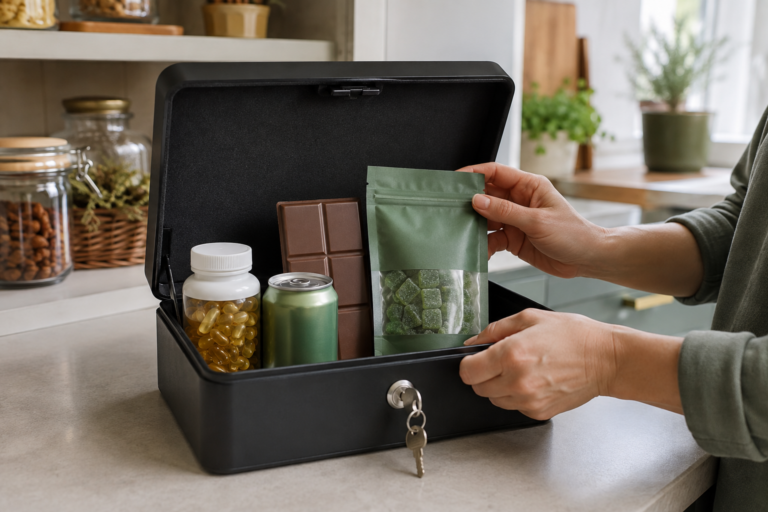
The third mistake is storing the bottle casually. Liquid extracts should be kept in their original child-resistant packaging, away from children, pets, heat, and direct light, and according to the label. A dropper bottle can look ordinary to someone who does not know what it is.
The fourth mistake is mixing with alcohol or other substances. Health Canada warns that cannabis can impair attention, coordination, and reaction time, and mixing can raise risk. If you plan to use cannabis oil, make the rest of the day simpler rather than stacking variables.
FAQ
Is cannabis oil the same as a tincture in Canada?
Not always. Many products people call tinctures are sold as cannabis extracts and may be oil-based. Read the legal label, ingredient list, and directions instead of relying on the nickname.
Can I put cannabis oil under my tongue?
Follow the product directions. Some liquid products are marketed for oral or mouth use, but many users should still plan for delayed effects because swallowed cannabis can take longer to work.
Is one dropper one dose?
Only if the label and dropper markings define it that way. The safer approach is to calculate mg per mL and measure the amount you actually use.
Are CBD oils non-intoxicating?
CBD itself is not intoxicating in the same way as THC, but legal products can contain different amounts of THC and CBD. Check both numbers and use caution if any THC is present.
Bottom line
Cannabis oil vs tincture is less important than label literacy. In Canada, start with the regulated package: product class, ingredients, THC per mL, CBD per mL, directions, and lot details. Measure by millilitres, record what you used, wait long enough, and treat every new bottle like a new product until you understand it.
That slow, label-first approach is not flashy, but it is the best way to avoid turning a small dropper bottle into a guessing game.
Sources
- Health Canada: how to read and understand a cannabis product label
- Health Canada: packaging and labelling guide for cannabis products
- Health Canada: cannabis health effects
- Health Canada: what you need to know if you choose to consume cannabis
Explore the beginner’s guide, or learn how we source and edit our stories.