Education 8 min read
How to Store Cannabis in Canada: Temperature, Humidity, and Safety
Learn how to store cannabis in Canada with practical tips for temperature, humidity, labels, edibles, vapes, and locked home storage.
Most cannabis storage advice is too vague: keep it somewhere cool and dry. That is true, but it does not help much if your apartment swings from dry winter air to humid summer heat, or if your legal cannabis still sits in the same plastic container weeks after opening. Good storage will not make poor flower great, but it can slow drying, reduce odour leaks, protect children and pets, and make labels easier to trust over time.
This Canada-focused guide explains practical storage targets for dried flower, pre-rolls, edibles, oils, concentrates, and vapes. It is not medical advice and it does not promise stronger effects. The goal is simpler: keep legal products organized, harder for the wrong person to access, and less likely to be damaged by heat, light, moisture, or air.
For a household-specific version of this system, use the cannabis at home safe storage checklist to plan locked storage, guest visits, edibles, labels, children, and pets.
The quick answer
For most opened dried cannabis flower, aim for a sealed container in a dark, stable, room-temperature place. A closet, drawer, or locked box away from heaters, windows, bathrooms, kitchens, and cars is usually better than a sunny shelf or refrigerator door. If you use a humidity pack, choose one meant for cannabis or dried herbs and do not try to rehydrate flower with fruit peels, wet paper, or improvised moisture sources.
For safety, storage starts with the original label. Canadian cannabis products must carry key label information, including THC/CBD details and packaging information, and federal rules require child-resistant packaging for most cannabis products. If you move flower into a jar, keep the original container or label with it so the product name, lot, THC information, package date, and warnings are not separated from the product.
| Storage factor | Practical target | Why it matters |
|---|---|---|
| Temperature | Stable room temperature, away from heat spikes | Heat can speed drying and cannabinoid changes over time. |
| Light | Dark or opaque storage | Light exposure is one of the easiest quality risks to avoid. |
| Humidity | Moderate, controlled moisture for flower | Too dry can make flower harsh and crumbly; too damp can raise mould concern. |
| Air | Small sealed container matched to the amount | Less extra air means less drying and odour escape. |
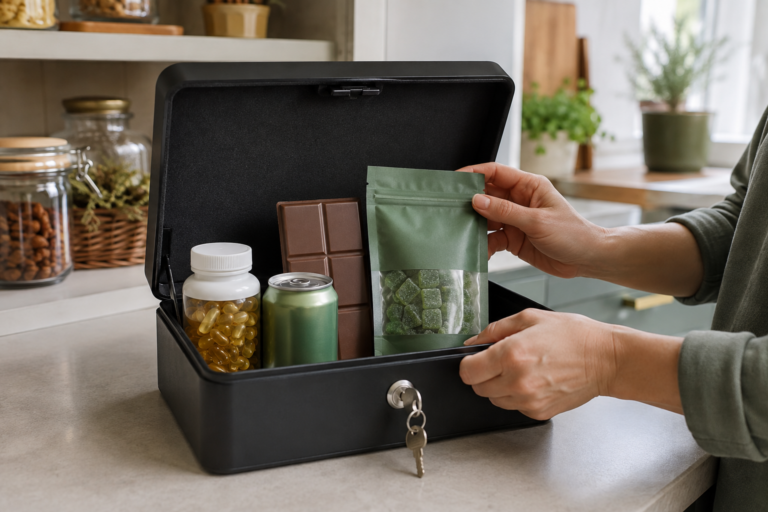
| Access | Locked, out of sight, out of reach | Children, pets, guests, and roommates should not be able to access it casually. |
Temperature: avoid heat more than cold
The biggest everyday mistake is leaving cannabis where temperatures spike: a parked car, a balcony, a sunny windowsill, a cabinet over the stove, or a shelf above a radiator. Heat can dry flower, soften some edibles, thin oils, and make vape hardware less predictable. It can also accelerate chemical changes in cannabinoids over time. A classic stability study indexed by PubMed concluded that carefully prepared herbal cannabis, resin, or extracts were reasonably stable for one to two years when stored in the dark at room temperature, which is a useful reminder that extreme storage tricks are usually unnecessary.
That does not mean every product should be treated the same. Some edible labels may tell you to refrigerate after opening. Some oils may have specific manufacturer instructions. The correct rule is: read the package, follow the recommended storage conditions, then choose the most stable place in your home. For many adults, that means a dark drawer or lockbox in a room that stays comfortable for humans.
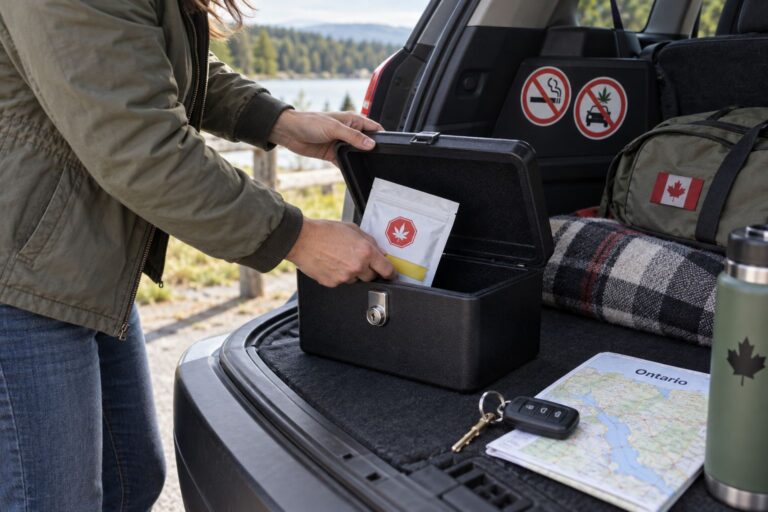
Be careful with cars. Even on a mild Canadian day, an enclosed vehicle can heat quickly in the sun. Cannabis should also be stored so it is not readily accessible in a vehicle, and impaired driving laws are separate from storage. If you are transporting unopened legal cannabis, keep it closed, labelled, and out of reach.
Humidity: useful for flower, risky when improvised
Dried flower is the product where humidity gets the most attention. If it gets too dry, buds can become brittle, trichomes can break off more easily, and the smoke or vapour may feel rougher. If it gets too damp, the concern shifts toward mould and spoilage. That is why many adults use two-way humidity packs made for cannabis storage, especially after opening a jar.
What you should not do is add food scraps or wet objects to a container. Orange peels, lettuce, bread, and damp paper can introduce excess moisture and contaminants. If flower is already suspiciously damp, smells musty, shows fuzzy growth, or looks unlike the product you bought, do not try to rescue it. Our fresh cannabis flower checklist covers the smell, feel, date, and storage clues worth checking before use; use the mouldy cannabis flower guide when the concern is visible growth, musty odour, or product contamination.
Canadian seasons matter. Winter apartments can be dry enough to make flower crisp quickly. Summer humidity can make a bathroom or kitchen cabinet a poor storage spot. If you live somewhere with large swings, a small sealed jar plus a product-appropriate humidity pack is more predictable than leaving cannabis in a half-empty bag.
Containers: original packaging plus a better outer system
Legal cannabis packaging is not just branding. It carries warnings, product class, THC and CBD information, licence holder details, and other label information that can matter later. Health Canada’s packaging and labelling guidance explains that most cannabis products require child-resistant packaging and specific product details. The federal Cannabis Regulations also require recommended storage conditions and packaging date information on labels, along with the warning to keep cannabis out of reach of children.
In practice, many adults use a two-layer system: keep the original labelled container, then place that container inside a locked box, pouch, or cabinet. If the original container is poor for long-term freshness after opening, you can move dried flower into a clean glass jar, but keep the label with it. A simple piece of tape with the product name, package date, THC/CBD information, and original container nearby is better than an unmarked jar that nobody can identify later.
Avoid thin plastic sandwich bags for storage. They do not control odour well, they expose the product to more air, and they make it easier to lose the original label context. For more on label details, use our Canadian cannabis label guide.
Product-by-product storage notes
| Product | Storage approach | Watch-outs |
|---|---|---|
| Dried flower | Sealed, dark container; consider a cannabis humidity pack after opening. | Do not add fruit peels or damp material to rehydrate. |
| Pre-rolls | Keep in original tube or a small sealed case. | They dry quickly once opened and can crush easily. |
| Edibles | Original child-resistant package, away from regular snacks. | Keep locked and clearly separate from food children or guests may eat. |
| Oils and capsules | Follow label directions; keep cap tight and product upright. | Heat and light can affect oils; avoid sunny counters. |
| Concentrates | Follow package directions; keep labelled and closed. | High-THC products require extra caution around access and dosing. |
| Vape cartridges | Store upright when possible, capped, away from heat. | Heat can thin oil and increase leak risk. |
Edibles deserve special care because they can look like ordinary food. Keep them in their original child-resistant package, inside a locked place, away from regular snacks. Do not leave a partial package on a counter, bedside table, backpack, or coffee table. If you are new to infused food or drinks, pair storage habits with the lower-risk timing basics in our edibles onset guide.
Vape cartridges and concentrates are more sensitive to heat and handling than many people expect. Store vape carts upright when you can, keep mouthpieces clean and capped, and avoid leaving hardware in hot vehicles or pockets for long periods. For hardware checks, use our vape cartridge safety checklist. For extracts, our cannabis concentrates guide explains why Total THC and label reading matter before use.
A simple home storage setup
You do not need an expensive humidor to store a small amount of legal cannabis responsibly. A practical setup can be as simple as:
- A small lockbox or locking pouch for all cannabis products.
- Original packages kept with each product, especially labels.
- One or two clean glass jars for opened flower, labelled clearly.
- A product-appropriate humidity pack for flower if needed.
- A habit of returning products to storage immediately after use.
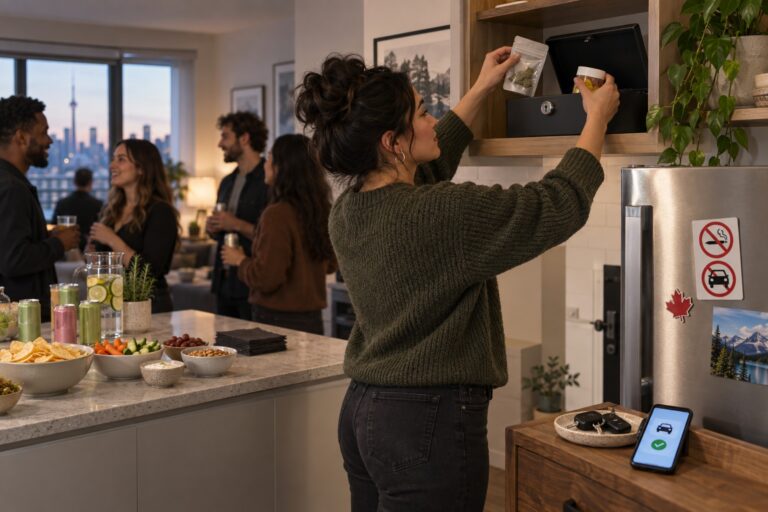
The last point matters most. Many storage failures are not about the container; they are about leaving cannabis out “just for a minute.” If you share a home, have children visit, own pets, host guests, or live with roommates, assume someone else could misunderstand an unlabelled edible, jar, or vape. Locked storage reduces that risk.
When to throw cannabis out
Storage cannot fix every problem. Consider discarding cannabis if you see fuzzy growth, smell mustiness, notice unexpected moisture, cannot identify the product, cannot find the label, or suspect the package was contaminated. For edibles and oils, follow best-before guidance where provided and be cautious with products that changed smell, texture, colour, or seal condition.
Also be realistic about old products. Cannabis does not usually become better because it sat forgotten in a drawer. Over time, aroma can fade, flower can dry, and cannabinoids can change. If the product is old, poorly stored, or no longer identifiable, saving a few dollars is not worth the uncertainty.
Storage checklist for Canadian adults
- Read the package storage instructions before moving anything.
- Keep original labels with the product, even if you use a jar.
- Store cannabis in a dark, stable, room-temperature place unless the label says otherwise.
- Use sealed containers for flower and pre-rolls.
- Keep edibles away from regular food and drinks.
- Lock cannabis away from children, pets, guests, and anyone who should not access it.
- Never store cannabis in a hot car, sunny window, bathroom, or stove-side cabinet.
- Throw out products that look mouldy, smell musty, or cannot be identified.
Bottom line
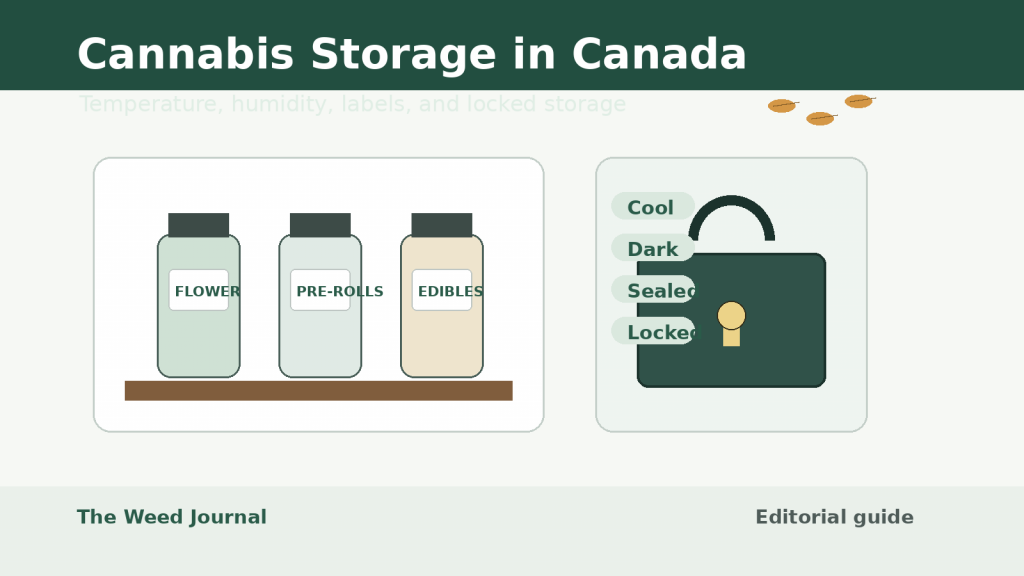
The best cannabis storage system is boring: labelled, sealed, dark, stable, and locked. Start with the package directions, protect the label information, avoid heat and humidity swings, and keep products away from anyone who might mistake them for something else. That approach fits Canadian legal cannabis better than complicated hacks, and it supports the bigger rule behind every safer-use guide: make the easy choice the responsible one.
Sources
- Health Canada: Packaging and labelling guide for cannabis products
- Justice Laws Website: Cannabis Regulations, labelling and storage information
- PubMed: The stability of cannabis and its preparations on storage
- Molecules/PMC: Cannabinoid degradation and CBN formation under heat
- Health Canada: Canada’s Lower-Risk Cannabis Use Guidelines
Explore the beginner’s guide, or learn how we source and edit our stories.