Tag: strains

  • How To Compare Classic Cannabis Strains Without Chasing THC Alone

    How To Compare Classic Cannabis Strains Without Chasing THC Alone

    Classic cannabis strain names are useful shortcuts, but they are not reliable buying instructions. OG Kush, Sour Diesel, Jack Herer, Durban Poison, Granddaddy Purple, Gelato, MAC 1, and other familiar names can help you understand how a product is being positioned. They cannot tell you the exact THC amount, freshness, aroma, batch quality, or how a specific adult will feel after using it.

    The smarter comparison starts with the legal product label, the format, the cannabinoid numbers, the terpene or aroma notes when available, and your own tolerance. A strain name can be a clue. The package, retailer, and product condition are the evidence.

    This Canada-aware guide is for adult readers who want to compare classic strains without chasing hype or the highest THC number on the menu. It is not medical advice, and it does not promise specific effects from any strain.

    The Quick Rule: Compare the Product, Not Just the Name

    Two products can share a strain name and still be very different. One “Sour Diesel” might be dried flower from a recent lot. Another might be a pre-roll blend. A third might be a vape cartridge, concentrate, or infused product using strain-inspired branding. They should not be compared as if the name alone makes them the same thing.

    Before comparing effects language, check these basics first:

    • Product format: flower, pre-roll, vape, edible, oil, capsule, concentrate, or drink.
    • THC and CBD amount, including whether the label uses a percentage, milligrams, or a range.
    • Package size, unit count, and serving information.
    • Packaging date, lot number, storage instructions, and visible freshness cues.
    • Whether aroma notes and terpene details are descriptive rather than medical.
    • Whether the retailer or product page makes the legal source and age expectations clear.

    If you are still learning product formats, start with our Cannabis 101 product type guide. If your comparison is mostly about numbers, read why THC percentage is not everything before deciding.

    Why Classic Strain Names Can Mislead Buyers

    Classic strain names carry a lot of cultural memory. Some people associate Durban Poison with a brighter daytime profile, Granddaddy Purple with heavier evening use, Sour Diesel with sharp fuel-like aroma, or OG Kush with a familiar earthy profile. Those associations can be useful for conversation, but they are not lab results.

    Modern legal products are shaped by genetics, growing conditions, curing, storage, producer choices, batch variation, and format. A name that sounds familiar may still produce a very different experience depending on the lot, potency, freshness, and method of use. Even within dried flower, one batch can be fresher, drier, more aromatic, or more balanced than another.

    This is why it is risky to treat strain names as promises. They are best used as labels for comparison, not as guarantees of energy, sleep, creativity, pain relief, anxiety relief, or any other health outcome.

    Do Not Compare by THC Alone

    THC percentage can be useful when comparing similar dried flower products, but it is a weak shortcut when used by itself. A higher number does not automatically mean a better purchase. It can also mean a product is stronger than you wanted, harder to pace, more likely to feel uncomfortable, or less aligned with the setting you had in mind.

    THC also appears in different units across formats. Flower often uses a percentage or range. Edibles and drinks usually show milligrams per package or per unit. Oils, capsules, vapes, and concentrates can use product-specific measurements that are easy to misread if you compare them too quickly. Health Canada’s guide to reading cannabis product labels explains the information shown on legal product packaging.

    Before choosing the highest number on the menu, ask whether the format, unit, CBD amount, package size, and serving plan actually match what you want. Our THC vs CBD vs CBN guide can help if you are comparing cannabinoid profiles for the first time.

    Comparison pointWhy it mattersReader-first question
    THC amountShows potential intensity, but not overall qualityIs this strength realistic for my tolerance?
    CBD amountAdds cannabinoid context, especially for balanced productsIs this THC-dominant, CBD-dominant, or balanced?
    FormatChanges onset, pacing, convenience, and risk of overuseAm I comparing the same product type?
    Freshness cuesAffects aroma, texture, smoke quality, and satisfactionDoes the product seem fresh and well stored?
    Legal-source signalsHelps avoid unclear products and unsupported claimsCan I verify the source and label details?
    Use strain names as a starting label, then compare the product details that actually shape the buying decision.

    Compare Format Before Effects Language

    The same strain name can appear as dried flower, pre-rolls, vape cartridges, concentrates, oils, or infused products. Those formats should not be treated as interchangeable. A flower listing and a vape listing can share a familiar name while representing very different buying decisions.

    A pre-roll can be convenient, but it may offer less control than loose flower because the grind, packing, and blend are already decided. A vape cartridge can be discreet and potent, but hardware and additives deserve careful attention. A concentrate may use a classic name while requiring a much higher level of product knowledge. An edible or drink may use strain-inspired branding, but onset and serving size matter more than the name on the package.

    For vapes, use our vape cartridge safety checklist. For infused products, compare the label against the edibles dose chart and the edibles onset guide.

    Use Aroma and Terpene Notes Carefully

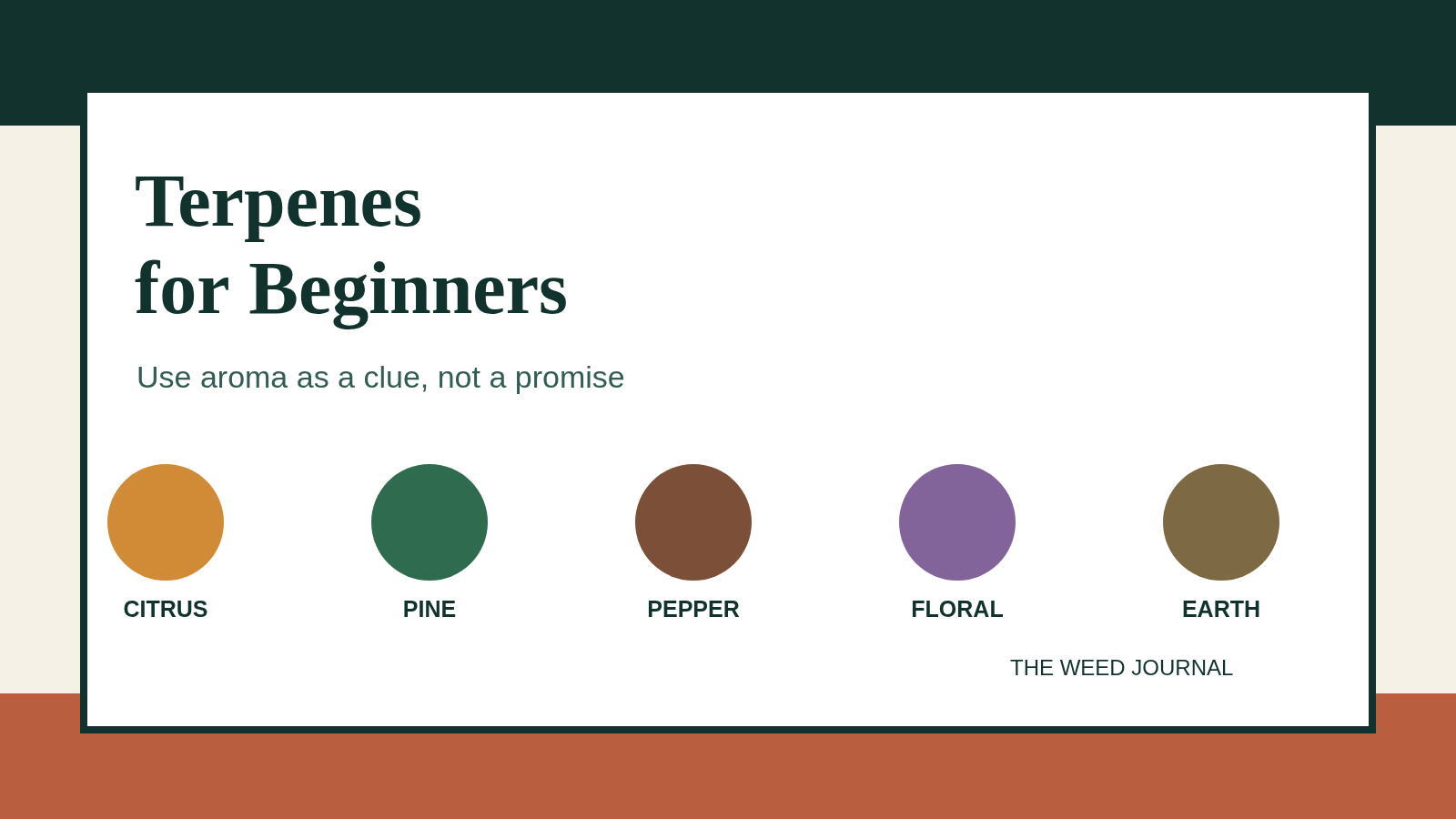
    Aroma notes can make classic strains easier to compare. Earthy, citrus, pine, sweet, spicy, floral, fuel, diesel, skunky, or peppery language can describe what a product may smell or taste like. Those words should not be turned into medical promises or rigid effect predictions.

    Terpene information can add useful detail when it is available, especially for readers comparing similar legal products. It remains one layer of information, not a replacement for label details, tolerance, product condition, and responsible use. The safest way to use terpene notes is as a sensory filter: “I tend to like citrus and pine profiles” is more useful than “this terpene will make me feel a guaranteed way.”

    For a deeper explanation, use our terpenes for beginners guide. It explains how to read terpene language without treating it like a certainty machine.

    Freshness Still Matters

    Freshness can change how a product feels to handle and use. Dried flower that is extremely dry may crumble into dust, burn harshly, or lose much of its aroma. Flower that is too moist or stored badly can raise quality concerns. Pre-rolls can dry out. Vapes can leak or taste off. Edibles and drinks have their own best-before and storage issues.

    When comparing classic strain products, check package date, lot number, storage instructions, container condition, aroma, texture, and whether the product has been kept away from heat, light, air, and excess moisture. Health Canada notes that legal cannabis products must carry required labelling information, and the federal packaging rules are designed to support safer adult use and product identification.

    For dried flower specifically, use our fresh cannabis flower checklist. For storage, use the cannabis storage guide.

    Check Legal-Source Signals

    A useful cannabis product page should make the source, age expectations, package details, and final buying flow clear. If a listing hides basic label information, makes unsupported medical claims, or pushes buyers toward payment before showing key details, slow down.

    Health Canada recommends that adults choose cannabis from legal sources. Legal-source signals do not make every product perfect, but they help filter out unclear or risky shopping paths. Look for transparent product categories, readable cannabinoid details, age-gated expectations, realistic copy, and a checkout flow that does not hide total cost or substitution rules.

    When comparing retailers or menus, a directory such as CannaRadar can be a starting point for discovery, but the final check should always be the actual retailer, provincial rules, and the product label in front of you.

    A Simple Classic-Strain Comparison Workflow

    Use this workflow when two or more familiar names are competing for your attention:

    1. Pick the format first. Do not compare flower against vapes or edibles as if they are the same decision.
    2. Check THC and CBD in the correct units. Percentages and milligrams are not interchangeable.
    3. Read the package size and unit count. A small package with a high number may not be the value or experience you expect.
    4. Scan aroma and terpene notes as sensory descriptions, not promises.
    5. Check freshness and storage clues. Packaging date and product condition matter.
    6. Choose the product that fits your tolerance, timing, setting, and comfort level.
    7. Keep the package, follow label instructions, store it safely, and avoid driving after use.

    Reader Checklist

    • Am I comparing the same format?
    • Is THC shown as a percentage, milligrams, range, or package total?
    • Is CBD listed clearly?
    • Does the page explain package amount and unit count?
    • Are aroma or terpene notes descriptive rather than medical?
    • Can I confirm the source is legal for adult-use cannabis?
    • Does the product fit my tolerance, timing, and setting?
    • Can I store it safely away from children, pets, and guests?

    FAQ

    Are classic strain names reliable?

    They are useful labels, but they are not reliable by themselves. The same name can vary by producer, batch, format, freshness, and cannabinoid profile. Use the name as a starting point, then read the label.

    Is indica vs sativa enough to choose a product?

    No. Indica, sativa, and hybrid language can be a rough menu category, but it should not replace THC/CBD details, terpene notes, format, tolerance, or freshness. Our indica vs sativa vs hybrid guide explains the limits of those labels.

    Should beginners avoid high-THC classic strains?

    Beginners should be cautious with high-THC products in any strain family. Lower-strength products, smaller servings, and slower pacing are easier to manage. If you are unsure, avoid making your first decision based on THC percentage alone.

    Can strain names predict medical benefits?

    No. Strain names should not be used to predict or promise medical benefits. If you are using cannabis for a health reason, speak with a qualified health professional and avoid product pages that make unsupported health claims.

    Bottom Line

    Classic strain names are helpful labels, not shortcuts. Use them as one layer of comparison, then return to format, label details, legal source, freshness, and personal tolerance before buying. Avoid driving after cannabis use, follow local age and possession rules, and keep products locked away from children, pets, and anyone who should not access them.
    Sources

  • Terpenes for Beginners in Canada

    Terpenes for Beginners in Canada

    Terpenes are one of the most useful cannabis details beginners can learn, but they are also one of the easiest details to overhype. A product page may suggest a citrus terpene means energy, a peppery terpene means focus, or an earthy profile means sleep. Real life is less tidy.

    This guide explains how adults in Canada can use terpene information in a practical way: as an aroma and product-comparison clue, not as a promise that a strain will create a specific effect or treat a health concern. The goal is simple. Use the label, smell, freshness, THC, CBD, format, and your own notes together instead of letting one terpene name make the decision for you.

    Quick answer

    Terpenes are aromatic compounds found in cannabis and many other plants. They help shape smell and flavour, and they can make one legal cannabis product feel more appealing or recognizable than another. Terpene information can be useful when comparing flower, full-spectrum extracts, or products from the same producer.

    What terpenes cannot do is guarantee an effect. A terpene list does not prove that a product will make you sleepy, creative, calm, social, or pain-free. For safer buying decisions, use terpenes alongside Total THC, Total CBD, product format, package date, lot information, freshness, dose, tolerance, and setting.

    What are terpenes?

    Terpenes are naturally occurring aromatic compounds. They are part of why cannabis can smell like citrus peel, pine, black pepper, lavender, mango, herbs, fuel, skunk, damp earth, or fresh flowers. They are not unique to cannabis. Many familiar plant smells come from terpene families found across nature.

    In cannabis shopping, terpenes usually show up in three places: the actual aroma of dried flower, the product description on a legal retailer menu, or a terpene list supplied by a producer. Some labels and product pages name dominant terpenes. Others do not. That variation is normal, so do not assume a product is poor just because the terpene list is not front and centre.

    Common terpene names, translated carefully

    Terpene Common aroma cue Practical shopping use What not to assume
    Myrcene Earthy, musky, herbal, sometimes mango-like Compare earthy or heavy-smelling flower across products you already tolerate. That it will reliably make you sleepy.
    Limonene Citrus peel, lemon, orange Identify bright citrus profiles you enjoy in flower or extracts. That it will treat anxiety or guarantee energy.
    Pinene Pine, resin, forest Look for crisp, pine-forward aroma if you prefer fresher herbal notes. That it will improve focus.
    Caryophyllene Pepper, clove, spice Notice spicy profiles that may make products feel sharper or warmer. That it is a pain treatment.
    Linalool Floral, lavender-like Use as an aroma preference if you like softer floral notes. That it is a sleep aid.
    Humulene Woody, herbal, hoppy Compare beer-like, woody, or dry herbal profiles. That it creates a predictable body effect.

    The table is deliberately cautious. Terpene names can help you describe what you smell and track what you like. They should not be treated like a menu of guaranteed outcomes.

    Why terpene hype gets ahead of the evidence

    Terpenes are interesting, and research on cannabis chemistry keeps developing. The problem is not that terpenes are meaningless. The problem is that retail claims often jump from “this compound exists in the plant” to “this product will reliably create this effect for you.”

    Cannabis effects are influenced by more than aroma compounds. THC, CBD, product format, dose, frequency of use, individual sensitivity, food, alcohol, sleep, mood, medications, and setting can all change the experience. A high-THC product with a citrus terpene profile may still feel uncomfortable to someone prone to THC-related anxiety. A lower-THC product with less dramatic aroma may be easier for that person to use responsibly.

    That is why terpene information works best as a comparison tool, not a medical or psychological prediction tool.

    Start with THC and CBD before terpene shopping

    Health Canada identifies THC as the main intoxicating component in cannabis and warns that higher-THC products are associated with greater risk of adverse effects. Legal Canadian labels must provide important product information, including cannabinoid details and required warnings. Those label basics matter more than a terpene claim.

    If you are newer, returning after a break, or trying a new format, begin with a modest THC level, a legal source, a comfortable setting, and enough time. Then use terpene notes to refine preferences. Do not use terpene language to justify a THC strength that is higher than you planned to use.

    For more detail, read our guide to why THC percentage is not everything. The same principle applies here: one number or one aroma note is never the whole product.

    How to use terpenes when reading a label

    When terpene information is available, read it after the core label details. First check product class, Total THC, Total CBD, package date, lot number, warning information, and serving size where relevant. Then look at the terpene profile.

    Ask practical questions:

    • Are one or two terpenes clearly dominant, or is the profile spread out?
    • Does the aroma match the listed profile when the package is opened?
    • Have you liked similar aroma profiles before?
    • Is the product format familiar, or are you trying a new route such as edibles, vapes, oils, or concentrates?
    • Is the THC level still appropriate for your tolerance and setting?

    If a product has a detailed terpene profile but very high THC, do not let the profile distract you from the strength. If a product has no terpene list but a clear label, modest THC, good freshness, and a format you understand, it may still be a better beginner choice.

    Freshness changes aroma

    Terpenes are tied to aroma, and aroma can change with age, storage, and handling. Dried flower that once had a bright citrus or pine profile may smell flat if it has been stored poorly or kept too long after opening. Very dry flower may lose character and become harsher to use. Flower that smells musty, damp, or mouldy should not be consumed.

    Package date is only one clue, but it is a useful one. So is the condition of the product after opening. If aroma matters to you, freshness and storage matter too.

    Use our fresh cannabis flower checklist when buying or checking stored flower. A terpene list is less useful if the product no longer smells or handles the way it should.

    Indica, sativa, hybrid, and terpenes

    Terpene profiles are often used to support indica, sativa, and hybrid marketing. That can be helpful if a producer uses the terms consistently, but it can also make broad category labels sound more scientific than they are.

    Modern cannabis products do not always fit neatly into old category expectations. A sativa-labelled product can be high in THC and uncomfortable for some people. An indica-labelled product is not guaranteed to feel sedating. A hybrid label may tell you almost nothing without the rest of the profile.

    A better approach is to treat indica, sativa, hybrid, and terpenes as clues, then verify with the label and your own notes. Our indica vs sativa vs hybrid guide explains why the old labels should not be used as effect guarantees. If you are comparing familiar names side by side, use our classic cannabis strain comparison guide to weigh format, freshness, THC/CBD context, and label details before chasing a strain reputation.

    A simple terpene note-taking system

    If you want terpenes to become useful, track patterns instead of memorizing claims. Keep a short note after each legal product you try:

    • Product name, producer, lot, and package date.
    • Format: flower, pre-roll, vape, edible, oil, capsule, or extract.
    • Total THC and Total CBD.
    • Dominant terpenes if listed.
    • Aroma in your own words.
    • Amount used and timing.
    • Setting, food, alcohol, mood, and sleep quality.
    • What felt comfortable, uncomfortable, or not worth repeating.

    After a few products, your own notes will be more useful than generic terpene charts. You might learn that you enjoy citrus aroma but prefer lower THC, or that spicy flower smells good but feels too sharp when the THC is high. That pattern is practical. It still is not a medical conclusion.

    When terpene information is most useful

    Terpenes are especially useful when comparing products within the same format. Flower to flower is easier than flower to edible. Two dried flower products with similar THC and CBD can feel easier to compare when one is citrus-pine and another is earthy-spicy. Two vape cartridges from the same producer may also be easier to compare by flavour profile and cannabinoid strength.

    Terpenes are less useful when the format changes. An edible described with a strain name or flavour note does not behave like inhaled flower from the same strain family. Onset and duration matter more. If edibles are involved, read our guide to how long edibles take to kick in before increasing a dose.

    Red flags in terpene marketing

    Be skeptical when a menu or seller claims a terpene profile will treat anxiety, pain, insomnia, depression, inflammation, or any other health condition. Be skeptical when terpene claims are used to make a high-THC product sound beginner-friendly. Be skeptical when a seller cannot provide basic legal label information but makes confident effect claims.

    Also be cautious with products from non-legal sources. In Canada, legal products come with regulated packaging, warnings, lot information, and testing requirements. If you cannot check the label, the source, or the package, terpene language is not enough to make the purchase trustworthy.

    Beginner-safe defaults

    If you are new to cannabis, use this order: legal source first, lower THC second, familiar format third, comfortable setting fourth, terpene preference fifth. That order keeps aroma in its proper place.

    A calm product choice is not the one with the longest terpene list. It is the one you can understand, dose cautiously, store properly, and use without driving or safety-sensitive responsibilities. Our Cannabis 101 product type guide is the better starting point if you are still choosing between flower, edibles, oils, vapes, and capsules.

    Bottom line

    Terpenes can make cannabis shopping more informed and more personal. They help describe aroma, compare similar products, and build a record of what you tend to enjoy. They should not be treated as effect guarantees or health claims.

    For Canadian adults, the practical framework is: check THC and CBD, confirm the legal label, consider the format, inspect freshness, then use terpene notes to refine your choice. If a terpene claim sounds too certain, it probably is.

    Sources